
Why GPS Tracking and Dashcam are Essential for Public Vehicles in Nepal ?
Public transportation plays a crucial role in Nepal’s economy, connecting cities, supporting tourism, and enabling daily commuting. From buses and microbuses to taxis and tourist vehicles, the demand for reliable transport services is increasing. However, along with this growth, challenges such as road accidents, unsafe driving, lack of monitoring, and operational inefficiencies continue to affect vehicle owners and passengers alike.
To address these challenges, modern technologies like GPS tracking systems and dashcams have become essential tools for public vehicles in Nepal. These solutions not only enhance safety but also improve operational control and efficiency.
Challenges in Nepal’s Public Transport System
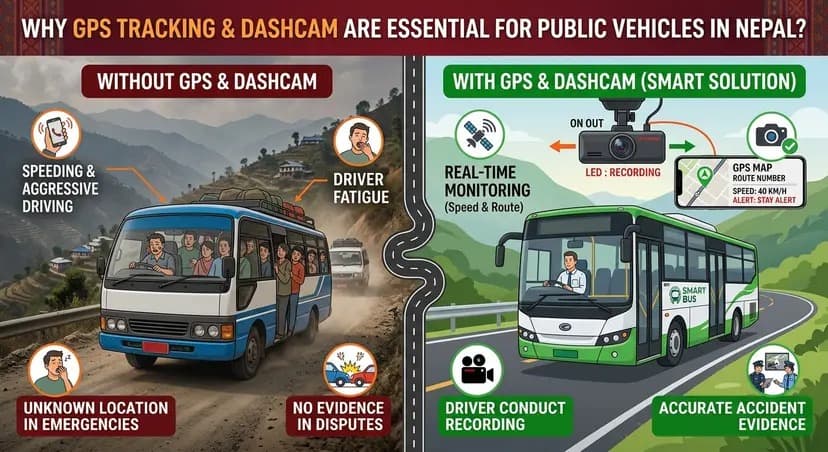
Managing public vehicles in Nepal is complex due to difficult terrain, traffic congestion, and limited monitoring systems. Vehicle owners and operators often face issues such as frequent accidents, over-speeding, unauthorized route deviations, and disputes without evidence.
In many cases, the lack of real-time tracking and accountability leads to increased operational costs and safety risks. Without proper monitoring, it becomes difficult to ensure that vehicles are being used efficiently and responsibly.
Importance of GPS Tracking Systems
A GPS tracking system provides real-time visibility and control over vehicles. It allows fleet owners to monitor the exact location of their vehicles at any given time, ensuring better management and transparency.
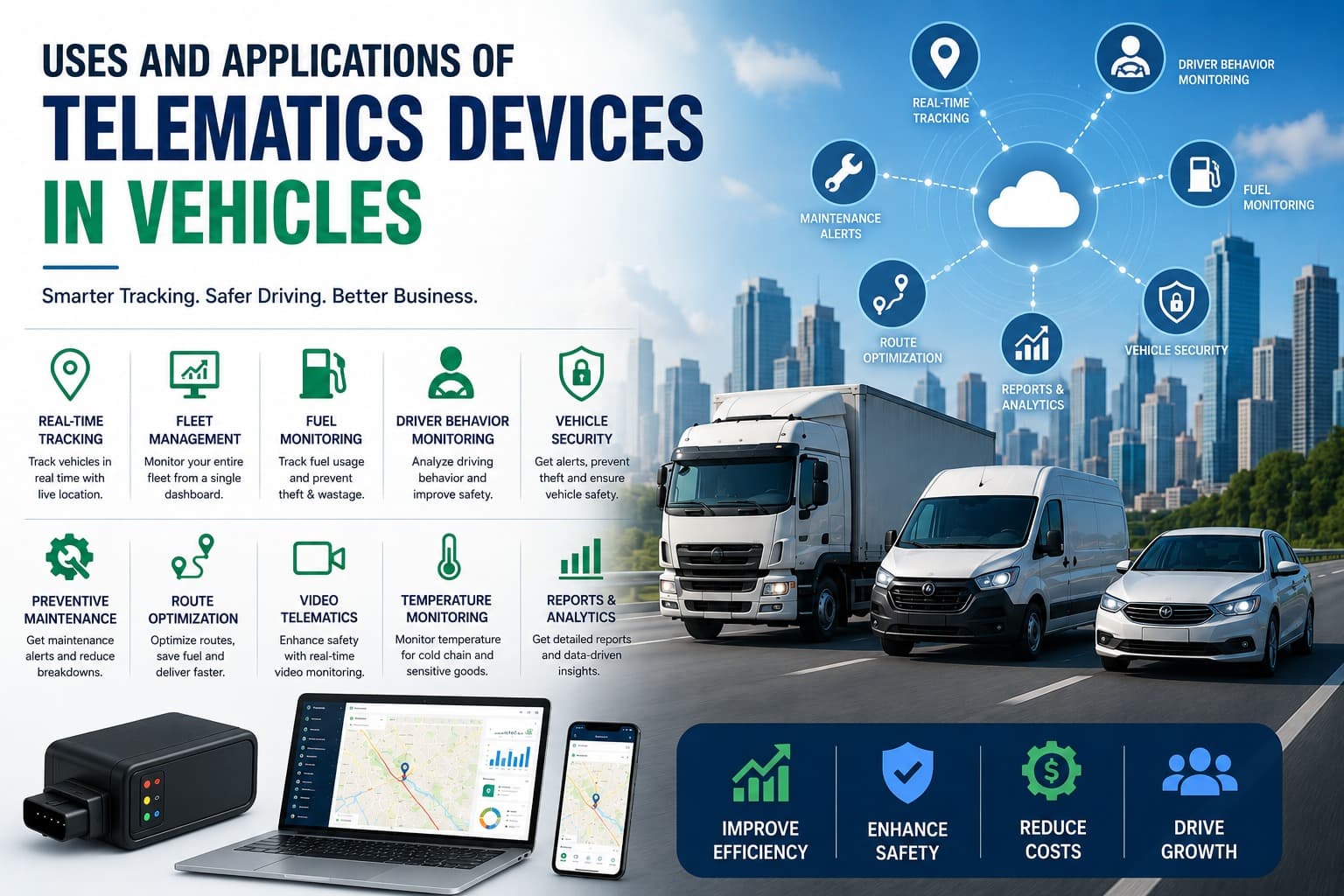
One of the key advantages of GPS tracking is route monitoring. It ensures that drivers follow assigned routes and schedules, reducing delays and improving service reliability. Additionally, GPS systems provide alerts for over-speeding, engine status, and unauthorized movements, helping operators take immediate action when needed.
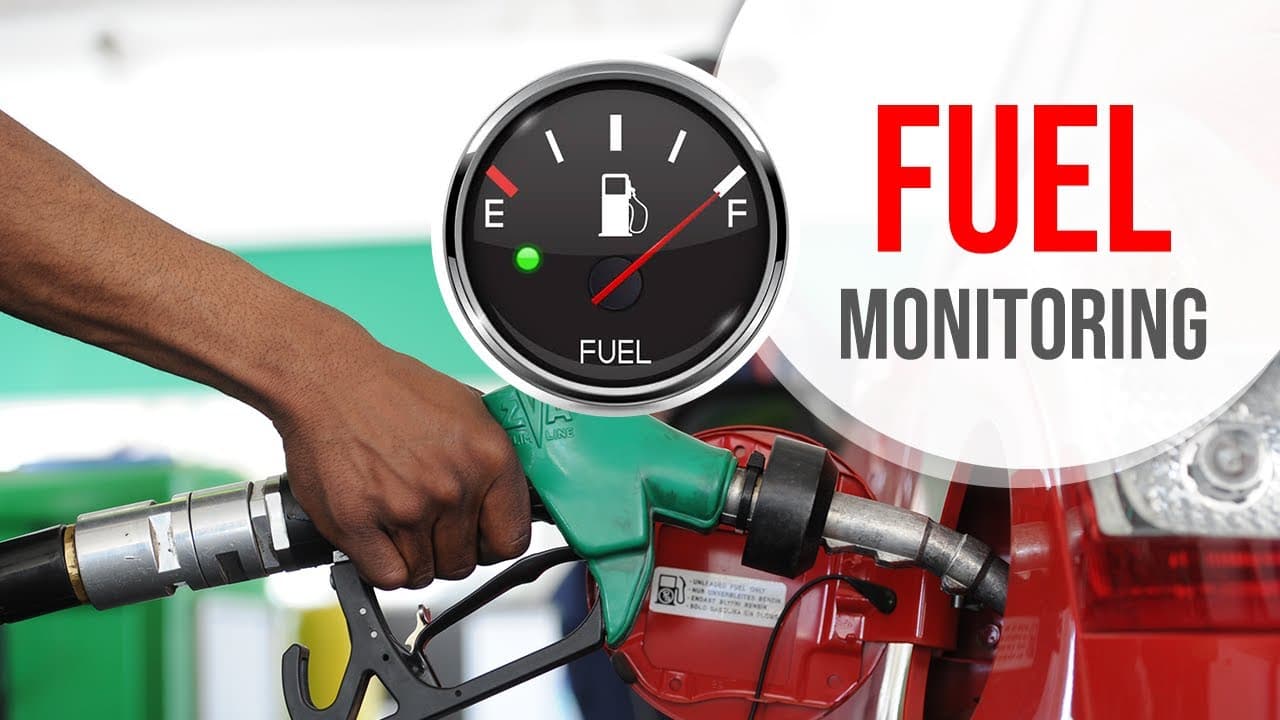
Fuel efficiency is another major benefit. By tracking vehicle movement and usage patterns, businesses can reduce unnecessary fuel consumption and minimize misuse.
Overall, GPS tracking enables smarter decision-making and helps businesses operate more efficiently in Nepal’s challenging environment.
Role of Dashcams in Public Vehicles
Dashcams, or dashboard cameras, are becoming increasingly important in Nepal’s transport sector. These devices record real-time video footage of the road, providing valuable evidence in case of accidents or disputes.
One of the primary benefits of a dashcam is accident documentation. In situations where fault needs to be determined, recorded footage provides clear and unbiased evidence. This helps in resolving disputes quickly and fairly.
Dashcams also improve driver behavior. When drivers know their actions are being recorded, they are more likely to follow traffic rules and drive responsibly. This contributes to overall road safety.
In addition, dashcams offer legal protection to vehicle owners by safeguarding them against false claims and fraudulent cases. They also help in insurance processes by providing accurate visual records of incidents.
Combined Benefits of GPS Tracking and Dashcam
When GPS tracking and dashcam systems are used together, they create a powerful solution for vehicle monitoring and safety.
GPS tracking provides real-time location data and operational insights, while dashcams offer visual evidence and driver accountability. This combination allows vehicle owners to have complete control over their fleet while ensuring safety and transparency.
This integrated approach is particularly beneficial for public buses, school vehicles, tourist transport, and taxi services in Nepal.
Business Benefits for Vehicle Owners
Implementing GPS tracking and dashcam systems offers several advantages for vehicle owners and operators. These technologies help reduce operational costs by improving fuel efficiency and minimizing misuse. They also enhance safety by monitoring driving behavior and reducing the risk of accidents.
In addition, businesses can improve efficiency through better route planning and vehicle utilization. The ability to resolve disputes quickly using video evidence further strengthens operational reliability.
Most importantly, these systems help build trust among passengers by ensuring safer and more transparent services.
Growing Demand in Nepal
The adoption of GPS tracking and dashcam technology is rapidly increasing in Nepal. Transport companies, schools, and tourism businesses are recognizing the importance of these solutions in improving safety and efficiency.
With rising competition and increasing awareness about passenger safety, investing in smart vehicle technology is becoming a necessity rather than an option.
Why Choose NaviOn
NaviOn provides advanced GPS tracking and dashcam solutions designed specifically for Nepal’s road conditions and business needs. The company focuses on delivering reliable technology, user-friendly platforms, and affordable pricing for businesses of all sizes.
With real-time tracking, smart alerts, and high-quality video recording, NaviOn helps vehicle owners gain full control over their operations. In addition, strong customer support ensures smooth implementation and ongoing assistance.
NaviOn’s solutions are built to address real-world challenges, making them a trusted choice for fleet management in Nepal.
Conclusion
GPS tracking and dashcam systems are essential tools for modern public vehicles in Nepal. They enhance safety, improve operational efficiency, and provide greater control over fleet management.
As the transport industry continues to evolve, adopting these technologies is crucial for staying competitive and meeting growing expectations. Businesses that invest in smart solutions today will be better positioned for future growth.