Introduction
Fuel is one of the largest operating expenses for any vehicle owner or fleet business. Whether you operate trucks, buses, school vehicles, construction equipment, or commercial fleets, uncontrolled fuel consumption can significantly impact profitability.
Many businesses in Nepal lose thousands of rupees every month due to fuel theft, fuel wastage, unauthorized vehicle usage, excessive idling, and inefficient driving habits. A Fuel Monitoring System solves these challenges by providing real-time visibility into fuel levels, consumption patterns, and fuel-related events.
With modern GPS and fuel sensor technology, businesses can accurately monitor every liter of fuel used by their vehicles and make data-driven decisions to improve efficiency and reduce costs. Fuel monitoring systems are commonly integrated with GPS fleet management platforms to provide complete operational control.
What is a Fuel Monitoring System?
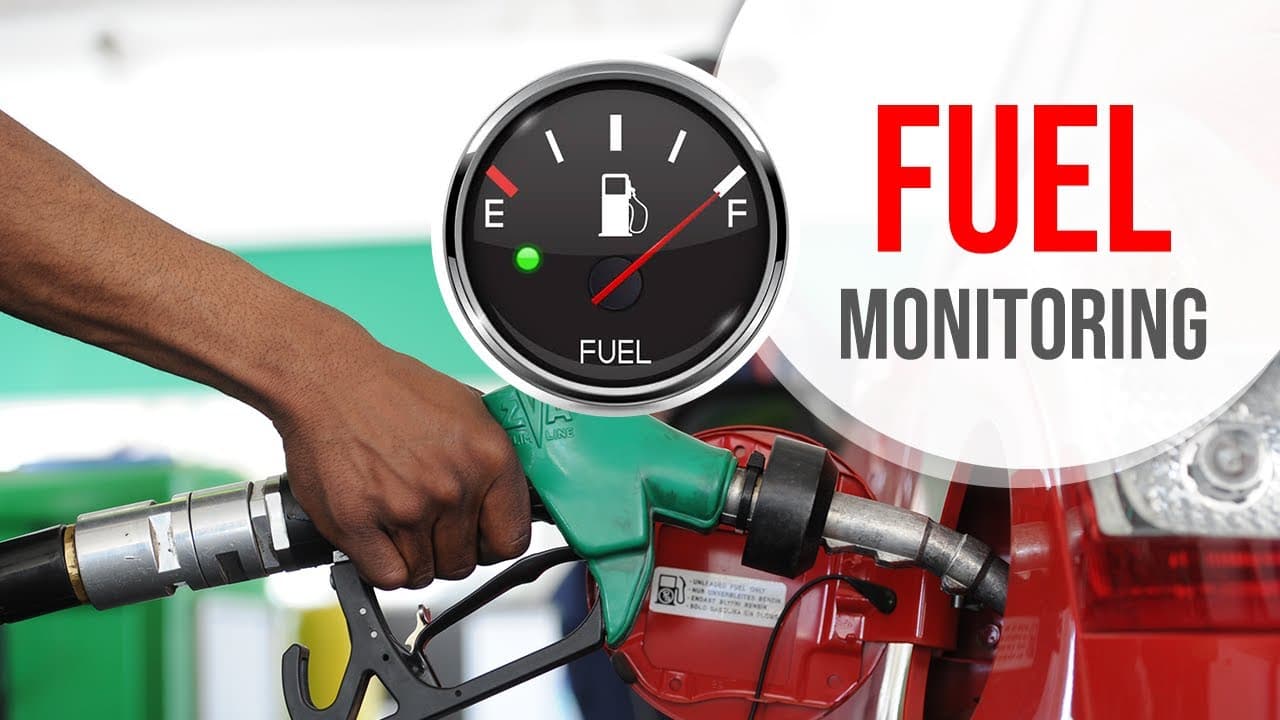
A Fuel Monitoring System is a technology solution that uses fuel level sensors, GPS tracking devices, and software platforms to measure and monitor fuel usage in real time.
The system provides information such as:
Current fuel level
Fuel consumption rate
Fuel refill events
Fuel drainage or theft alerts
Vehicle trip fuel usage
Fuel efficiency reports
Historical fuel data
Idle fuel consumption
Fleet managers can access this information through web and mobile dashboards from anywhere at any time.
Why Do Vehicles Need a Fuel Monitoring System?
1. Prevent Fuel Theft
Fuel theft is one of the most common problems faced by fleet operators.
Drivers or unauthorized individuals may siphon fuel from vehicles, causing significant financial losses over time.
A Fuel Monitoring System can:
Detect sudden fuel drops
Send instant theft alerts
Record fuel drainage events
Track suspicious fuel activity
This helps businesses eliminate fuel pilferage and improve accountability.
2. Reduce Fuel Costs
Fuel costs account for a major portion of fleet operating expenses.
By monitoring fuel usage, businesses can identify:
Excessive idling
Inefficient routes
Aggressive driving
Unauthorized trips
Vehicle misuse
Organizations using fuel monitoring systems often achieve substantial fuel savings through better control and visibility.
3. Improve Fleet Efficiency
Fuel monitoring provides detailed insights into how vehicles are being operated.
Fleet managers can:
Compare vehicle performance
Analyze fuel consumption trends
Optimize routes
Improve driver behavior
Increase vehicle productivity
Better fuel management directly improves overall fleet performance.
4. Accurate Fuel Refill Monitoring
Many businesses struggle to verify whether the fuel purchased was actually added to the vehicle.
A Fuel Monitoring System records:
Exact fuel refill quantity
Date and time of refill
Vehicle location during refill
Fuel level before and after refueling
This increases transparency and reduces fraud.
5. Real-Time Fuel Visibility
Instead of relying on manual records, managers can monitor fuel status in real time.
Benefits include:
Live fuel level tracking
Automated reports
Instant alerts
Remote monitoring
Real-time visibility allows faster decision-making and better operational control.
6. Better Driver Accountability
Driver behavior has a direct impact on fuel consumption.
Fuel monitoring systems help identify:
Excessive speeding
Harsh acceleration
Long idle periods
Route deviations
When drivers know fuel usage is being monitored, they tend to drive more responsibly, reducing overall fuel consumption.
7. Data-Driven Business Decisions
Modern fuel monitoring platforms provide detailed reports and analytics.
Managers can analyze:
Daily fuel usage
Monthly fuel expenses
Fuel cost per kilometer
Vehicle efficiency rankings
Fleet-wide fuel trends
These insights help businesses improve profitability and operational efficiency.
Industries That Benefit from Fuel Monitoring Systems
Fuel Monitoring Systems are widely used in:
Transportation Companies
Logistics and Delivery Services
Public Transport Operators
School Bus Fleets
Construction Companies
Mining Operations
Agriculture Equipment Fleets
Fuel Tankers
Generator Monitoring Systems
Any organization that relies heavily on fuel-powered vehicles can benefit from implementing fuel monitoring technology.
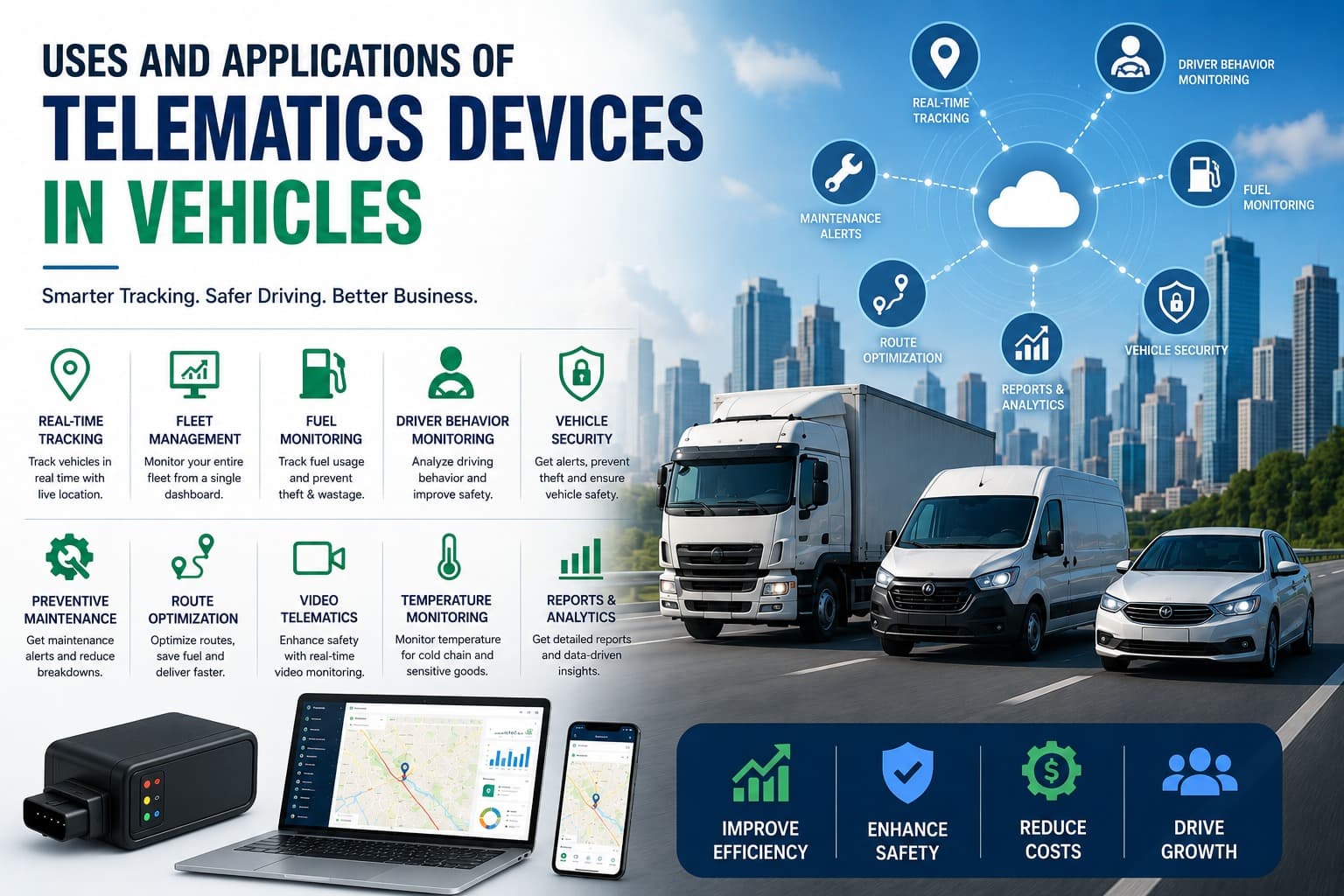
Fuel Monitoring + GPS Tracking = Complete Fleet Control
The most effective solution combines Fuel Monitoring with GPS Tracking.
Together they provide:
✔ Real-time vehicle tracking
✔ Fuel theft alerts
✔ Fuel consumption reports
✔ Driver behavior monitoring
✔ Route optimization
✔ Vehicle utilization analytics
✔ Operational cost reduction
This combination gives fleet owners complete visibility over their vehicles and fuel expenses.
Why Choose NaviOn Fuel Monitoring System?
The NaviOn Fuel Monitoring System is designed specifically for businesses looking to reduce fuel losses and improve fleet efficiency.
Key features include:
Real-time fuel level monitoring
Fuel theft and drainage alerts
Accurate fuel consumption reports
GPS integration
Fleet analytics dashboard
Refill detection
Remote monitoring
Businesses can save up to 30% on fuel-related costs by improving visibility and reducing fuel wastage.
Conclusion
Fuel is one of the most valuable assets for any fleet operation. Without proper monitoring, fuel theft, wastage, and inefficient vehicle usage can significantly increase operating costs.
A Fuel Monitoring System provides real-time visibility into fuel consumption, helps prevent theft, improves driver accountability, and reduces overall fuel expenses.
For businesses in Nepal that operate commercial vehicles, trucks, buses, logistics fleets, or heavy equipment, investing in a Fuel Monitoring System is a smart step toward improving efficiency, profitability, and long-term growth.
By combining fuel monitoring with GPS tracking, organizations can gain complete control over both vehicle operations and fuel management.